
Did You Know?
Explore fascinating facts, little-known stories, and surprising moments
from the American Revolution and the founding of the United States.
Meet the Founding Fathers
By Thomas Richards
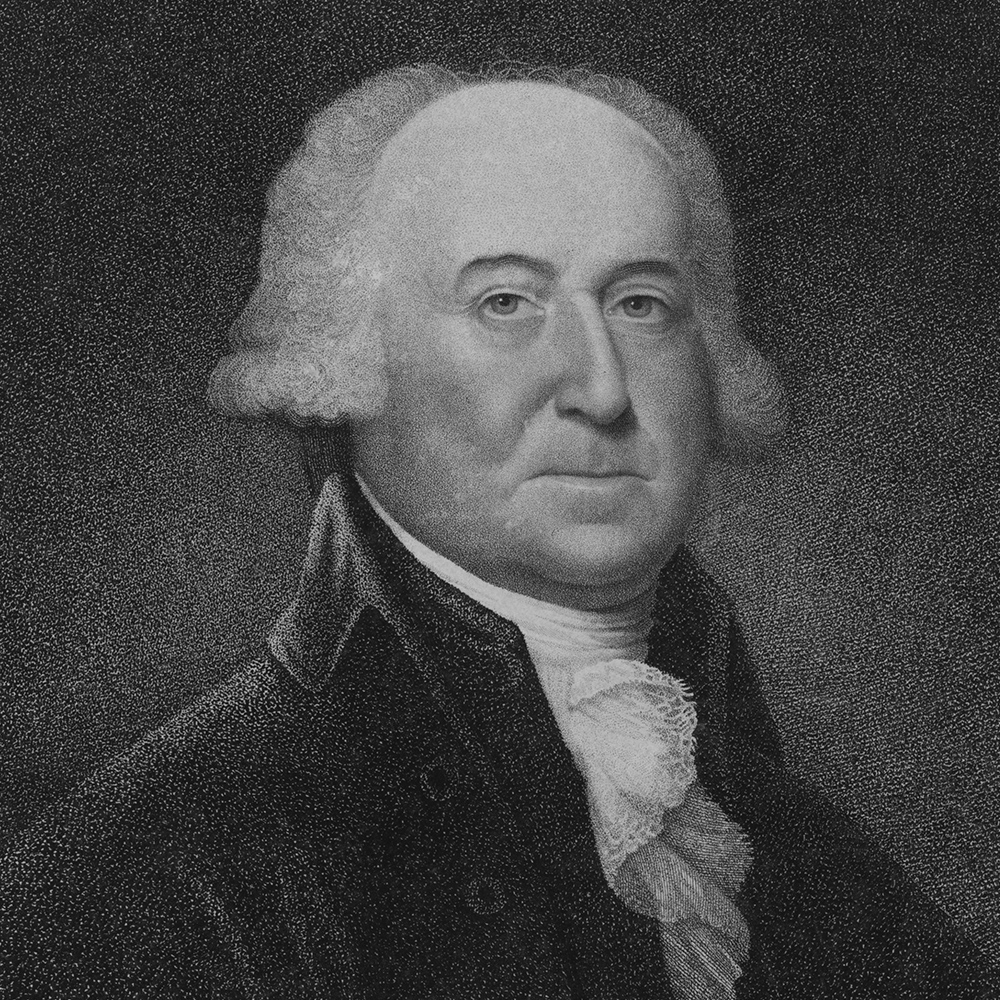
John Adams
In real life, John Adams, a lawyer from Massachusetts, was every bit as brilliant, stubborn, ornery, and demanding as he is portrayed in the play. Thomas Jefferson referred to him as the “Colossus of Independence,” for it was his arguments more than those of any other delegate that swayed many to vote for the Declaration. Adams was brutally honest in all his letters — particularly to his wife Abigail — which makes him a favorite among historians. More than any other delegate, we can get to know Adams personally, as 1776 shows.
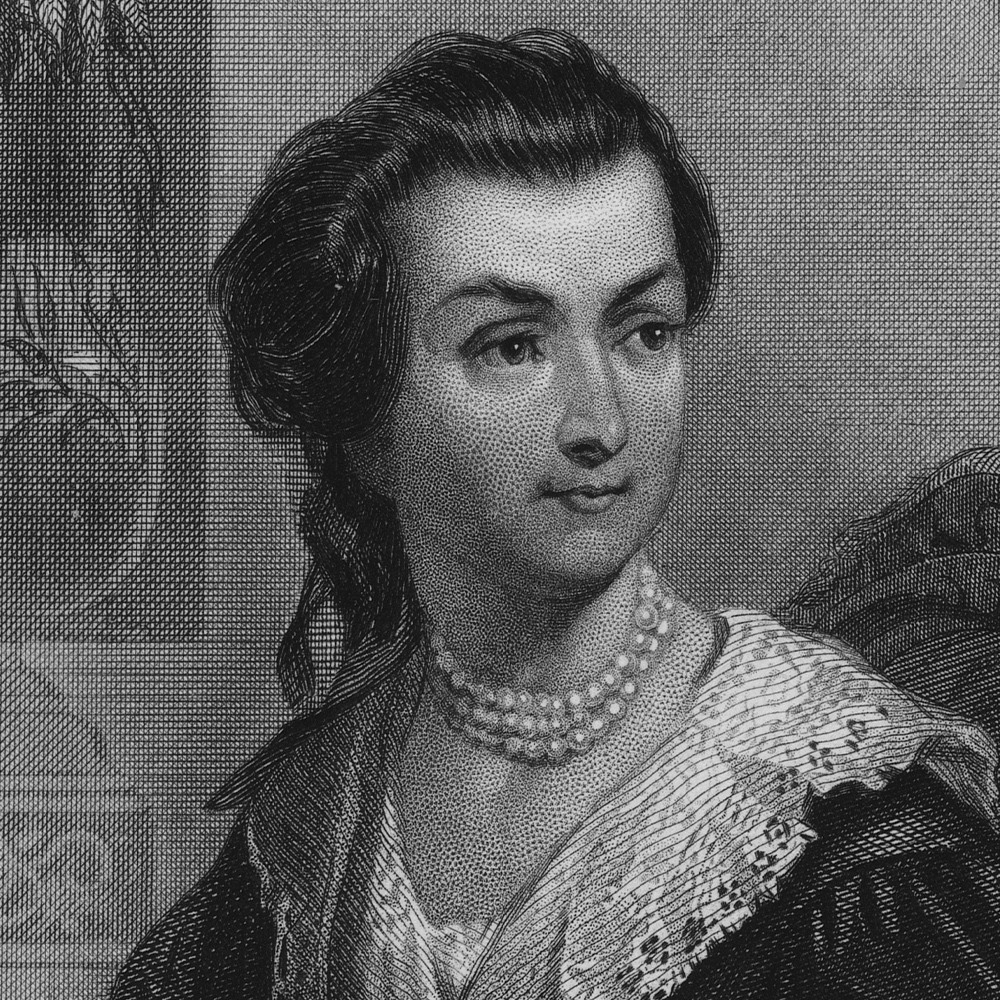
Abigail Adams
It is sadly true that, in 1776, women could not vote, let alone act as delegates to the Second Continental Congress. If there is any woman who proves they should have been granted more political power, it is Abigail Adams. Famously, she wrote to her husband John to “Remember the Ladies” in the spring of 1776, arguing that women should be granted more rights (although not necessarily the right to vote). Learned, forceful, and cool where John ran hot, she was often the sounding board for John’s ideas. Indeed, their marriage is one of the great political partnerships in American history.
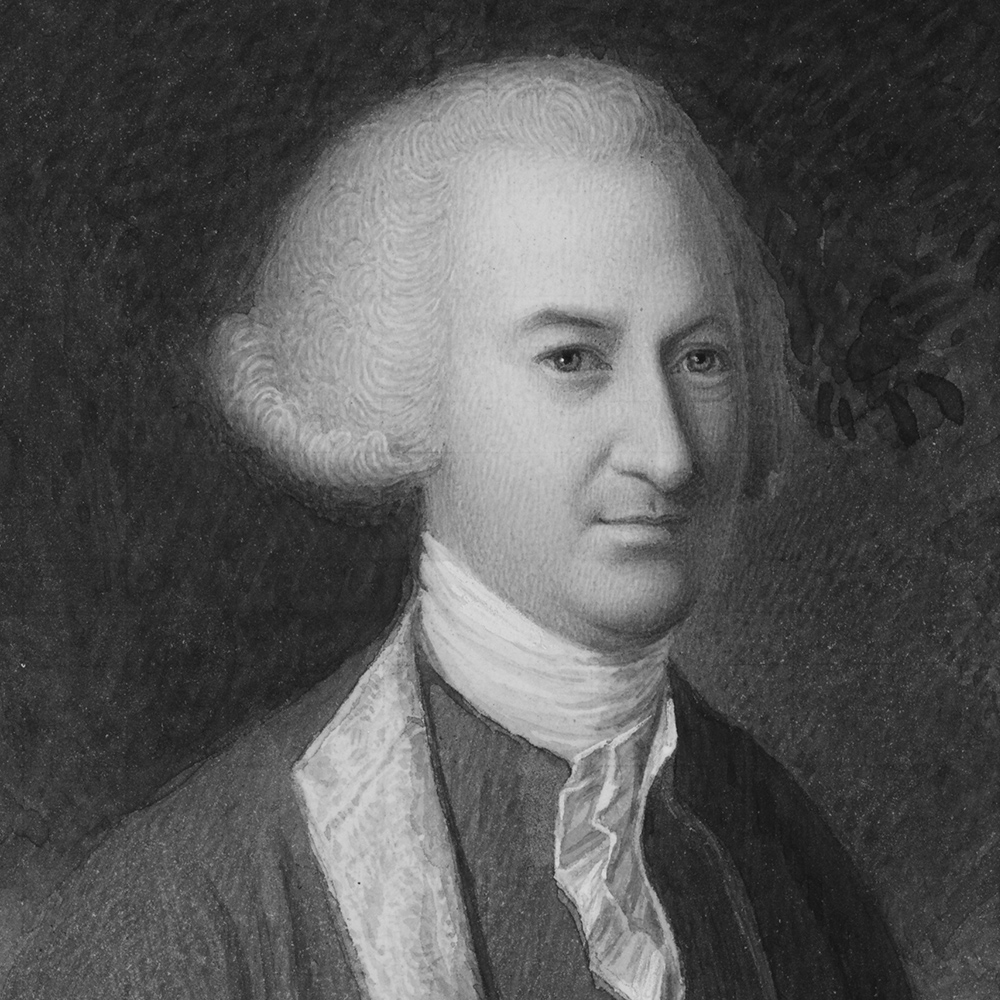
John Dickinson
Every drama needs a chief villain, and in 1776, the villain is John Dickinson. The musical’s portrayal is perhaps a bit unfair to him, because his “Letters from a Pennsylvania Farmer,” published in 1767, were the most influential Patriot writings until Tom Paine’s “Common Sense”. Though he believed Great Britain treated Americans unjustly, he could not bring himself to support full independence — and so, by 1776, he was a tortured soul. This is reflected in his exit in the play, when he sadly refused to sign the Declaration but nevertheless signed up to fight. This would not be the last of Dickinson, however: He was a key contributor in writing the U.S. Constitution in 1787, and he was also one of the first Founding Fathers to free his slaves.
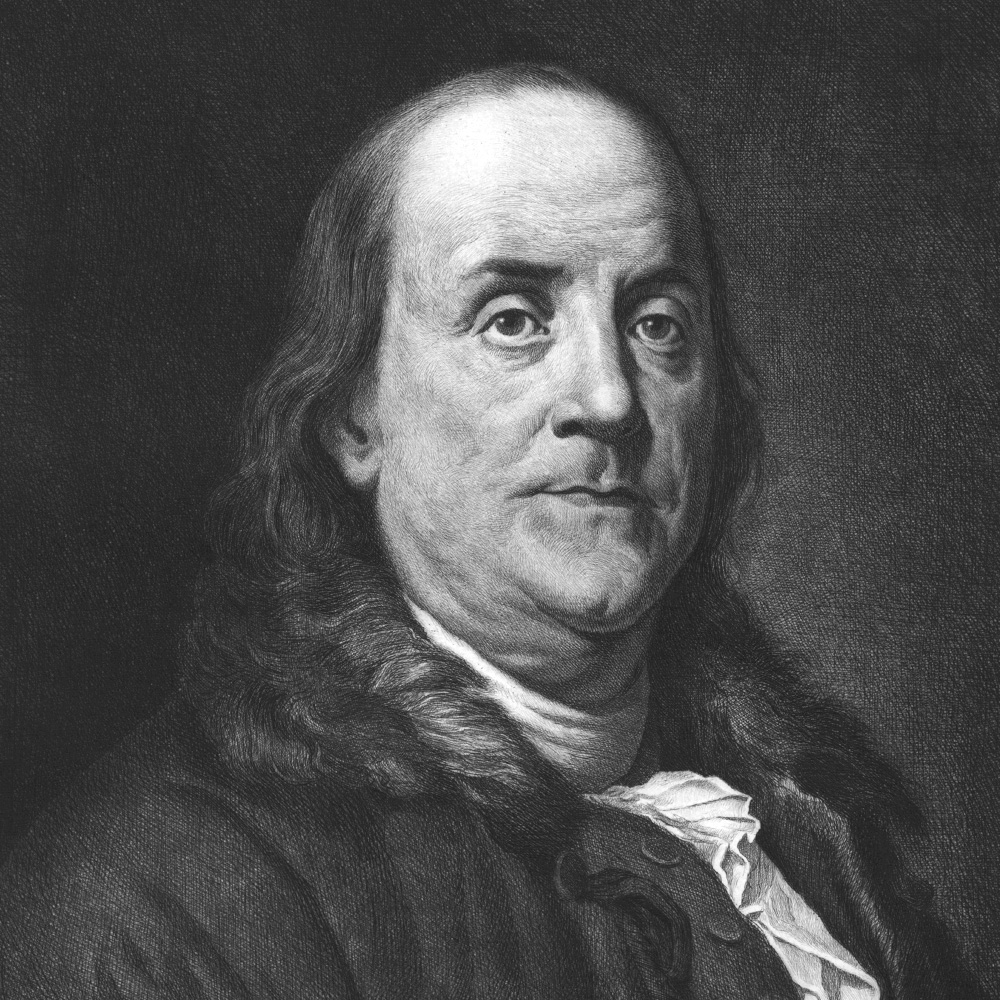
Benjamin Franklin
Writer, printer, scientist, philanthropist, politician, diplomat: By 1776, Benjamin Franklin had done it all. At age 70, he was the oldest signer of the Declaration of Independence, and the one American whom all Europeans knew before he signed. Like Dickinson, Franklin was once a proud British subject, and he even spent 18 years of his life in London. Yet this all changed in 1774, when Franklin was publicly interrogated and reprimanded before Parliament to answer for American actions. He immediately took a ship back to Pennsylvania and threw himself into the work of independence. Amazingly, he wasn’t done in 1776! He also helped write the U.S. Constitution in 1787, and, though he owned slaves earlier in his life, he became the first president of the Pennsylvania Abolition Society. Two months before his death in 1790, he sent a letter to Congress seeking to end slavery in the United States.
Edward Rutledge
At age 26, South Carolina lawyer Edward Rutledge was the youngest delegate to sign the Declaration of Independence. As the play portrays, he was a defender of slavery, enslaving 50 people himself. He also demanded that George Washington expel all Black soldiers from the Continental Army, which Washington chose not to do because they were too important and too numerous. Although one of the key antagonists of the musical, it is important to note that Rutledge did devote himself to the cause of independence: He volunteered for the South Carolina militia in 1779, fought at the Battle of Beaufort in 1780, and was captured a year later by British forces. Freed thanks to a prisoner exchange, Rutledge eventually served as the governor of South Carolina.
About the Author
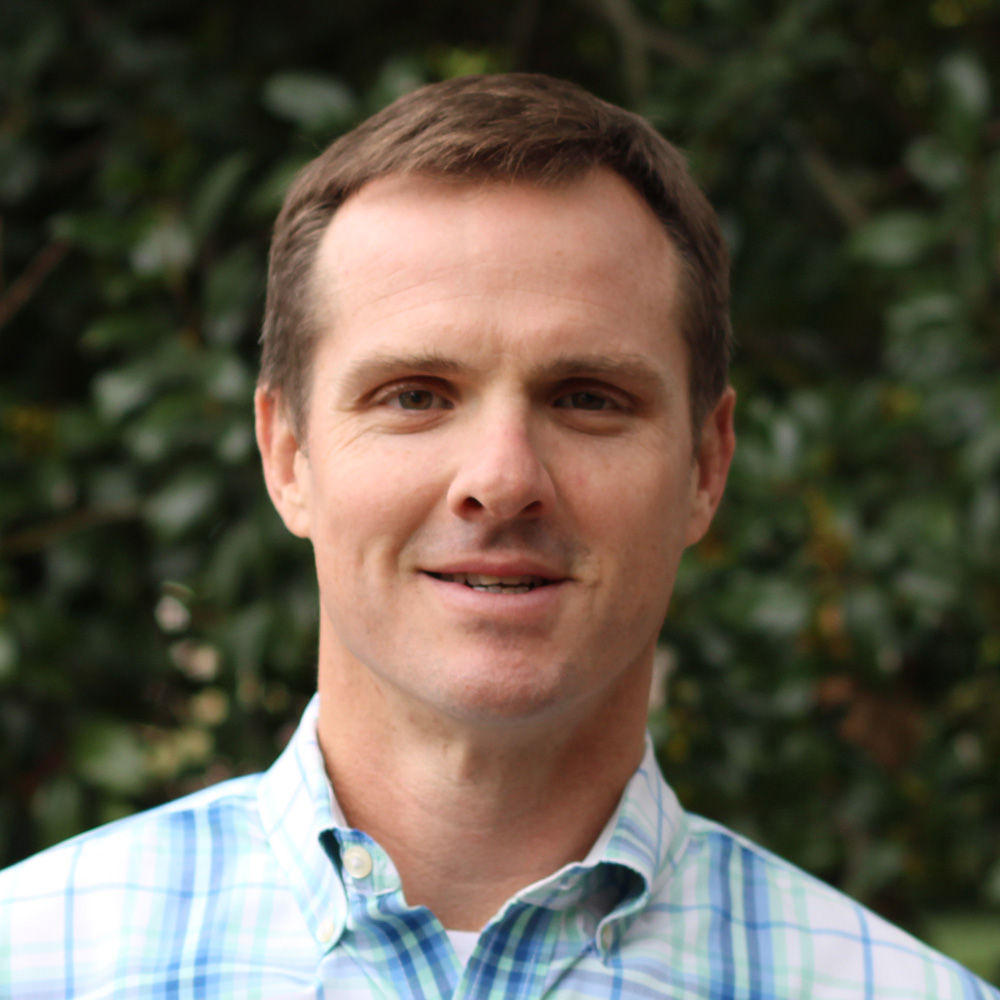
Thomas Richards Jr. is the author of The Unfinished Business of 1776: Why the American Revolution Never Ended, published this year, as well as Breakaway Americas: The Unmanifest Future of the Jacksonian United States. He holds a Ph.D. in early American history from Temple University and a Master’s of Education from the University of Pennsylvania. He is currently a history teacher at Springside Chestnut Hill Academy in Philadelphia. His backyard in Gulph Mills is the site of the Continental Army’s final camp before they traveled to Valley Forge.